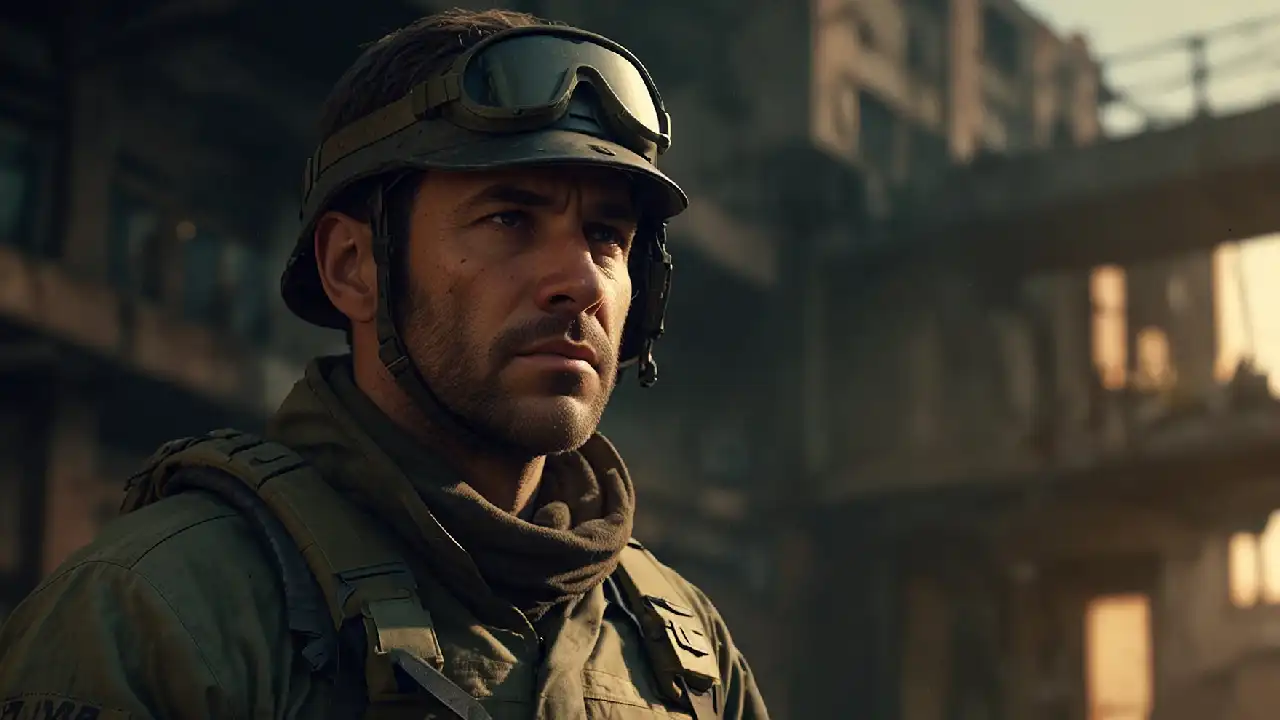
Overview of Swiss Military System
The Swiss military system is unique, characterized primarily by its militia model, which has been a crucial component of national defense since the establishment of the Swiss Confederation in 1291. This model is distinguished by a citizen army, where military service is integrated into civilian life, allowing citizens to maintain their professional careers while fulfilling their military duties. Compulsory military service is a legal requirement for Swiss men, and it typically begins when they reach the age of 18, necessitating training and subsequent reservist obligations.
Historically, the militia system reflects Switzerland’s commitment to neutrality and self-defense. Each male soldier is expected to keep their military equipment at home, thereby facilitating rapid mobilization in times of crisis. In recent years, however, adjustments have been made to accommodate changing societal values and gender roles. In 2004, legislation was enacted to allow women to serve in the military voluntarily, paving the way for broader participation in military service. Though the number of female service members remains significantly lower than male, ongoing discussions and campaigns are encouraging inclusiveness within the military structure.
As of September 2025, military service obligations continue to play a vital role in shaping the relationship between Swiss society and its armed forces. Contemporary Swiss military policy is increasingly focused on adapting to new security challenges, including cyber threats, international cooperation, and humanitarian missions. The evolving landscape necessitates a re-evaluation of how military personnel are trained and deployed, affecting both veterans and active servicemen. This context is essential for understanding the key trends impacting the lives of veterans in Switzerland, as societal expectations and military demands intersect in an ever-changing environment.
Public Support for Military Service
The Swiss population has exhibited a strong and consistent support for military service, with recent statistics indicating that approximately two-thirds of voters endorse compulsory military service. This notable statistic underscores a cultural perspective that values national defense and recognizes the importance of military preparedness. Within the context of public opinion, compulsory military service is often viewed as a critical element of societal obligation, not merely as a governmental mandate but as a shared duty to safeguard the nation.
Moreover, there is significant support for alternative civic service options. Many Swiss citizens view these alternatives as a viable path for individuals who may prefer to contribute to society through non-military roles. This dual approach of compulsory service and civic alternatives reflects a balanced perspective in addressing varied capabilities, interests, and personal beliefs surrounding military service. Such dynamics suggest that, while there is celebration of military tradition, there is equally strong advocacy for individual choice in service to the community.
The underlying support for military service is influenced by both cultural and political factors inherent in Swiss society. The historical context of neutrality and defense plays a crucial role in shaping public opinion, reinforcing a collective identity that promotes commitment to national security. In addition, contemporary political discourse emphasizes the significance of military readiness in an increasingly uncertain global landscape, driving support for decisive action regarding defense policies.
As Switzerland navigates its future in military engagements and civil service, the ongoing support from the public presents both a challenge and an opportunity for policy-makers. Engaging with the population on issues surrounding military service can foster further understanding and ensure that veterans and service members are adequately supported. In conclusion, the multifaceted perspectives and support mechanisms highlight the complexities of military service in Switzerland, underscoring its implications for the nation’s veterans and active service members.
Military Cooperation with the U.S.
Switzerland’s military cooperation with the United States, particularly through partnerships involving the U.S. National Guard, has been on the rise in recent years. This collaboration is structured primarily through the State Partnership Program, which was designed to strengthen military ties and enhance mutual capabilities. Within this framework, the focus has shifted towards several key areas, notably cyber defense and mountain warfare, which are pivotal to both nations given their unique strategic landscapes.
The training initiatives under this partnership are multifaceted, offering opportunities for Swiss military personnel to engage in joint exercises with U.S. forces. These exercises aim to simulate various combat scenarios, enabling participants to enhance their tactical proficiency and operational readiness. Cyber defense, a critical area of focus, addresses the evolving threats posed by digital warfare. By sharing knowledge and expertise, both countries strive to bolster their defenses against cyber threats, which have become increasingly sophisticated in today’s geopolitical climate.
Additionally, the training in mountain warfare leverages Switzerland’s vast alpine terrain, allowing U.S. National Guard members to gain valuable insights into high-altitude operations. This aspect of military training is particularly beneficial for improving interoperability between Swiss and American forces in mountainous environments, highlighting the pragmatic nature of this partnership.
It is essential to note that these efforts are conducted in a manner that respects Swiss neutrality—a cornerstone of the country’s foreign policy. The Swiss leadership is keen to maintain their national identity while benefiting from the expertise and operational capabilities provided through this alliance. Thus, as military cooperation with the U.S. evolves, Switzerland continues to navigate its commitments carefully, ensuring that its principles of neutrality remain intact while enhancing its military readiness.
Public Perception of Military Necessity
The perception of military necessity plays a crucial role in shaping public support for armed forces in Switzerland, particularly amid ongoing global tensions. As geopolitical landscapes evolve, a significant segment of the Swiss population has begun to reassess the relevance and importance of a well-equipped military in maintaining national security. Historically, Switzerland has maintained a policy of neutrality; however, recent events have prompted a debate on whether this stance adequately addresses contemporary threats.
Surveys conducted throughout 2025 reveal an increased recognition of the necessity for armed forces capable of responding to both conventional and unconventional threats. Public opinion indicates a growing consensus that a capable military can act as a deterrent against potential aggressors and can provide essential support in crisis situations, such as natural disasters or cybersecurity threats. Citizens express concern over the efficacy of a purely defensive posture in a world perceiving an upsurge in military aggressiveness.
In light of these considerations, the Swiss military’s role in international peacekeeping and collaboration with allied forces has garnered more attention. Many citizens endorse the idea that being part of global security frameworks not only reinforces Switzerland’s security but also serves as a platform to contribute to international stability. The belief that a strong military is vital for the protection of Swiss autonomy amidst rising tensions globally highlights a shift in public sentiment. This shift is evident in discussions around defense spending and investment in modernizing military capabilities to ensure readiness against evolving threats.
Consequently, the relationship between the Swiss population and its military is undergoing transformation. As citizens continue to engage in discussions about the importance of a robust military in securing both national and international peace, the dialogue surrounding military necessity will likely expand, influencing future policy decisions and defense strategies.
Challenges of Civil Service Exodus
The trend of specialists and skilled servicemen leaving military service for non-military civil roles presents several challenges to the Swiss armed forces. As many veterans opt for civilian life, often seeking positions that offer better work-life balance, competitive salaries, and professional development opportunities, the military finds itself facing a significant loss of invaluable technical expertise. This exodus not only depletes the ranks of experienced personnel but may also diminish the operational readiness and efficiency of the military.
Retention challenges arise as the armed forces struggle to keep seasoned veterans who possess critical skills. These specialists, having undergone rigorous training, are equipped with unique knowledge that is indispensable for maintaining the military’s technical capabilities. Their departure can leave gaps in vital areas such as cybersecurity, logistics, and engineering, where advanced expertise is essential for operational success. Furthermore, the loss of leadership experience can inadvertently lead to a decline in morale among remaining personnel, as junior members may feel the absence of mentorship from seasoned leaders.
Moreover, the allure of civilian employment, which often includes more predictable hours and less demanding environments, undermines the military’s appeal as a career option. This trend is particularly pronounced among younger service members who weigh their long-term career goals against the challenges of military life. Consequently, the armed forces must reevaluate their strategies for recruitment and retention, devising innovative approaches to offer competitive benefits and growth opportunities that align more closely with the expectations of today’s workforce.
As Switzerland continues to navigate this issue, the military must adopt comprehensive strategies to mitigate the repercussions of this civil service exodus. By fostering an environment that values and nurtures its personnel, the Swiss armed forces can work towards maintaining its technical proficiency and leadership continuity amidst these significant challenges.
The Militia System: Structure and Impact
Switzerland’s militia system is a unique model of military organization that significantly influences the nation’s approach to defense and the integration of veterans and military service personnel. Central to this system is the combination of conscription and voluntary service, which obligates male citizens to complete military training, typically beginning at the age of 18. While conscription is mandatory for men, women have also been granted the option to voluntarily enlist, allowing for increased participation across genders.
The structure of the militia emphasizes a decentralized approach, where individuals serve part-time as reservists following their initial active duty, thereby maintaining a state of readiness without the need for a large standing army. This system relies on the active involvement of veterans, who transition into reserve roles after completing their mandatory service. These veterans bring valuable skills and experience to their communities and workplaces, nurturing a sense of responsibility and national service that is critical to Swiss societal values.
Additionally, the role of women within the militia is evolving. Recent trends indicate a growing recognition of women’s contributions to the military sphere, fostering an environment where they can undertake diverse responsibilities, ranging from combat roles to logistical support. This shift not only reflects broader societal changes but also enhances the resilience and capability of the Swiss Armed Forces.
Furthermore, veterans and ex-servicemen continue to play essential roles in specialized functions, such as training new recruits, participating in emergency response operations, and engaging in community initiatives. This involvement signifies that military service, while a period of commitment, also lays the groundwork for long-lasting engagement with the nation and its defense initiatives.
In summary, the militia system in Switzerland exemplifies a robust framework where conscription and voluntary service coexist, fostering a sense of duty among civilians and promoting a culture of readiness. This structure not only supports national defense but also embraces the integral role of veterans, ensuring their contributions remain invaluable to Swiss society beyond their active service years.
Funding and Investment Challenges
The Swiss military and veteran support services are currently navigating significant funding and investment challenges that pose threats to their overall efficacy and operational readiness. Chronic financial shortfalls have been a longstanding issue, fostering an environment where essential resources for both military preparedness and veteran assistance are insufficient. The Swiss defense landscape has prompted recent discussions regarding the allocation of funds, highlighting the necessity for a strategic approach to resource management.
Recent policy reviews have underscored the importance of addressing these funding challenges as a means to bolster military readiness and enhance support for veterans. This necessity has become more apparent in light of evolving global defense dynamics and the growing expectations placed upon the Swiss armed forces. Insufficient investment may hinder the military’s ability to carry out its core functions effectively, thereby impacting national security and defense capabilities.
Moreover, as veteran populations continue to rise, the demand for impactful support services such as healthcare, rehabilitation, and reintegration programs is increasingly critical. Budget constraints can severely limit the availability and quality of these services, leaving many veterans without the essential assistance they need. This situation calls for policymakers to consider innovative funding solutions and investment strategies that prioritize the welfare of military personnel and veterans alike.
Addressing these funding gaps requires a collaborative effort involving government bodies, defense agencies, and civil society. Through an inclusive dialogue centered around the allocation of defense budgets and the specific needs of veterans, a more sustainable financial approach can be developed. By facilitating such discussions, Switzerland can ensure that both its military and veteran services receive the requisite funding and investment to thrive and fulfill their obligations effectively. In conclusion, prioritizing these financial aspects is crucial to the long-term sustainability of military readiness and veteran support in Switzerland.
Evolving Role of Veterans and Ex-servicemen
The landscape for veterans and ex-servicemen in Switzerland is undergoing notable changes, particularly within the framework of compulsory and civic service. Traditionally viewed through a narrow lens focused on military prowess and defense capabilities, the roles of these individuals are expanding to encompass a broader spectrum of societal contributions. As Switzerland reinforces its civic responsibilities, veterans are increasingly seen as valuable assets, capable of enhancing community stability and national security.
In transitioning to civilian life, veterans face both opportunities and challenges. The skills acquired during military service—leadership, teamwork, resilience—are highly transferable and can significantly benefit civilian sectors such as emergency services, healthcare, and education. Programs aimed at integrating ex-servicemen into the workforce are gaining traction, seeking to harness their unique skill sets for community development and public safety initiatives. These programs not only support the transition process but also facilitate a smoother reintegration into society, allowing veterans to contribute meaningfully to the economy and social structures.
However, challenges persist. While many veterans are equipped with relevant skills, the transition to civilian employment can be hampered by gaps in industry-specific experience and knowledge of civilian workplace culture. Additionally, some may struggle with reintegration due to physical or mental health issues stemming from their service, impacting their employability and social interactions. Therefore, targeted support systems are vital to navigate these challenges successfully.
As public awareness grows about the contributions of veterans, there is an increasing recognition of their potential to foster community resilience. The evolving role of ex-servicemen in Switzerland can thus be viewed as essential in shaping a more cohesive society, where their experiences enhance civic responsibility while contributing positively to national security and community welfare.
Future Trends and Implications
As we look ahead to September 2025, several key trends are expected to shape the landscape for military service and veterans in Switzerland. One notable trend is the growing emphasis on public support for veterans. In recent years, there has been an increased awareness of the challenges faced by individuals transitioning from military to civilian life. This heightened recognition is likely to result in stronger societal backing and the implementation of enhanced support services tailored to the unique needs of veterans. Such changes could include mentorship programs, training initiatives, and improved access to mental health resources.
Another significant trend is the evolution of military partnerships, both within Europe and with global allies. Switzerland’s strategic position as a neutral country enables it to collaborate on various military exercises and humanitarian missions, fostering relationships with partner nations. An increase in international cooperation could result in more training opportunities for Swiss military personnel and could benefit veterans through diverse experience-sharing platforms. As militaries around the globe adapt to emerging security threats, these partnerships could evolve, shaping the operational readiness and adaptability of the Swiss Armed Forces.
Moreover, advancements in technology and changing defense strategies are anticipated to influence service options within the Swiss military. Digitalization and modern warfare techniques may necessitate a shift in the skills required for new enlistees, leading to a re-evaluation of recruitment and training processes. Additionally, this could open avenues for more veterans to engage in technology-driven roles within defense sectors or related industries. As these trends materialize, they will likely create new pathways for veterans and reshape the overall perceptions of military service in Switzerland.